

Diabetic Retinopathy
With the increase in cases of diabetes across the globe, eye problems linked to diabetes have emerged as major causes of vision loss. Dubai offers great, technologically advanced services for multiple eye conditions. Especially, diabetic retinopathy treatment in Dubai is known to cater to the needs of patients seeking an effective treatment from different countries.
Whether it involves conducting retinal eye examinations or performing eye surgeries on patients with distinct eye conditions, there are different kinds of treatment options available in Dubai. At Vasan Eye & Multispeciality DSC, the best ophthalmologists in Dubai facilitate your smooth recovery and help you maintain your long-term vision health.
What is Diabetic Retinopathy?
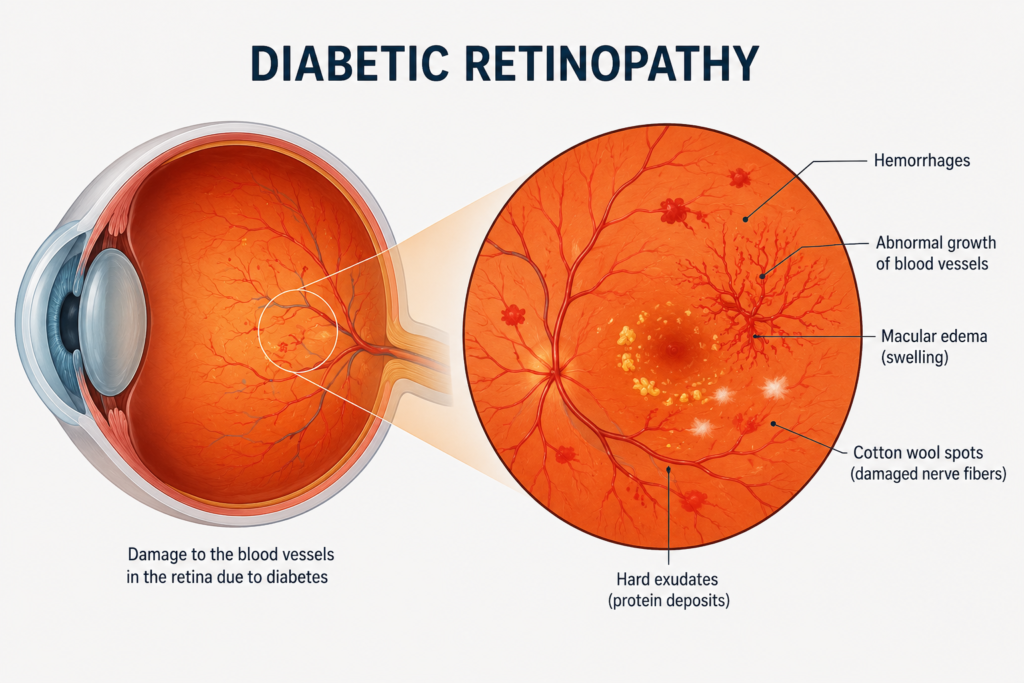
Diabetic retinopathy is a critical medical condition present in people diagnosed with diabetes, both type 1 and type 2. This severely impairs the retina’s function, a light-sensitive tissue at the back of the eye.
The condition is primarily caused by extreme blood sugar levels in patients, which damage retinal tissue, resulting in vision problems and, in severe cases, permanent vision loss. In the early stages of diabetic retinopathy, there may be no symptoms present; therefore, it is vital to undergo eye checkups in order to diagnose this disease and facilitate a smoother recovery.
Stages of Diabetic Retinopathy
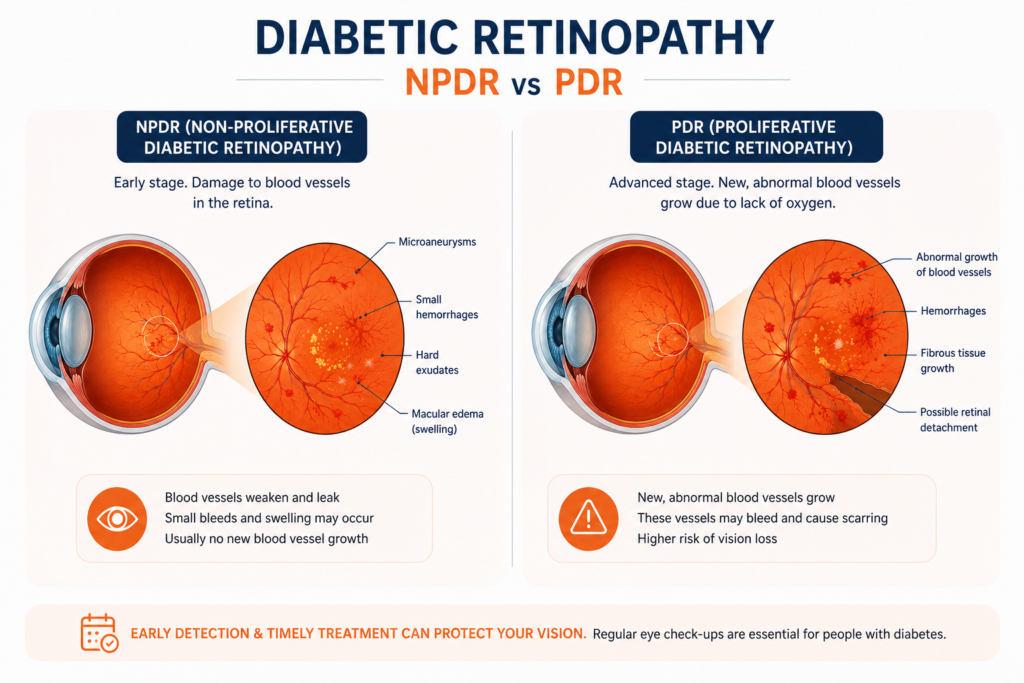
Diabetic retinopathy is a progressive condition that occurs in stages depending upon various factors. It primarily has 2 stages:
Stage 1
Non-Proliferative Diabetic Retinopathy (NPDR): Non-Proliferative Diabetic Retinopathy (NPDR) is the early form of diabetic retinopathy. In this form, high blood sugar levels damage the delicate retinal blood vessels, causing them to bleed or leak fluid into the surrounding tissues.
When fluids accumulate in the retina, it leads to swelling. The macula, the centre part of the retina that deals with sharp vision, may experience swelling, and this leads to diabetic macular edema (DME). DME is among the main causes of impaired vision in patients who suffer from diabetes. The other sign that may be observed by patients is the presence of yellow spots or exudates.
Some of the damaged blood vessels will not only leak but may also get clogged, causing a lack of oxygen to the retinal or macular tissues. The result is the distortion or blurring of vision. Patients with diabetic retinopathy may not notice any symptoms in the early stages of the disease. Therefore, it is necessary to carry out regular eye examinations.
Stage 2
Proliferative Diabetic Retinopathy (PDR): The condition is an advanced one that arises due to insufficient amounts of oxygen to the retina as a result of the damaged blood vessels. The body, in turn, reacts to this condition by trying to compensate for the problem by developing new blood vessels.
Unfortunately, these vessels tend to be weak, fragile, and leaky. The abnormal formation of blood vessels in PDR results in leakage of blood into the vitreous, a transparent jelly-like substance that fills the cavity of the eye. Small amounts of leaked blood could lead to the appearance of black spots and blurred vision, while large-scale bleeding could cause vision loss.
In case the condition continues to advance, scar tissue could start forming from abnormal blood vessel development and end up detaching the retina from the rest of the eye. In other instances, this abnormal formation of blood vessels could disrupt the drainage of fluid in the eyes, leading to the development of glaucoma and even blindness.
PDR affects the vision of the patient both centrally and peripherally, meaning that proper treatment is crucial for the health of the eye. Laser surgery, injections, and vitrectomy are among the procedures used to manage PDR symptoms.
Reach Out for Expert Care
What Are The Common Signs of Diabetic Retinopathy?
Diabetic retinopathy tends to occur gradually, and individuals may be unaware of the symptoms they experience at an early stage. As the damage progresses, various symptoms can become evident. Identifying these signs and getting immediate treatment is crucial in avoiding additional damage to vision.
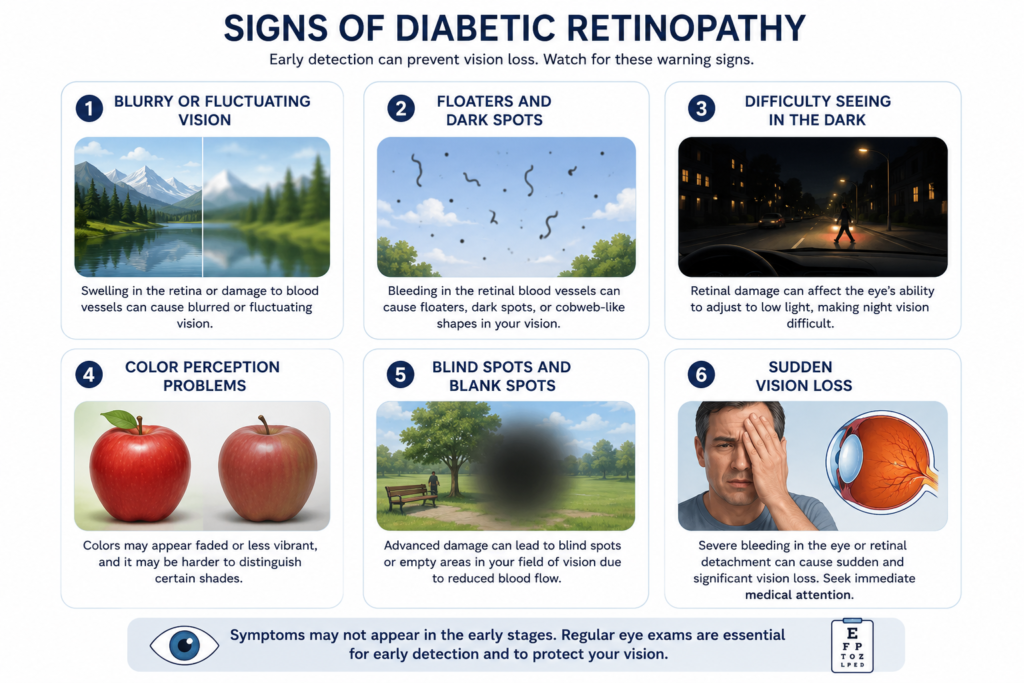
- Blurring or Fluctuations in Visual Clarity: Injuries to the retinal blood vessels can result in the swelling of the retina, causing blurring or fluctuations in visual clarity.
- Appearance of Floaters and Dark Spots: Patients have reported experiencing tiny black spots, cobwebs, or specks floating around in their line of vision. This can be attributed to bleeding in the retina’s blood vessels.
- Reduced Ability to See in the Dark: Vision impairment caused by retinal injuries can make it difficult to adapt to seeing under low light.
- Colour Perception Problems: Some patients may struggle with colour perception and notice a loss of vividness of colours when looking at objects.
- Blind Spots and Blank Spots: With advanced diabetic retinopathy, it becomes more common for patients to report noticing spots in their visual field that do not contain anything as a result of decreased blood supply.
- Sudden Vision Loss: Bleeding in the retina or detachment of the retina from the eye can cause vision loss that requires prompt treatment.
It is to note that symptoms of diabetic retinopathy may not be evident before injury occurs to the retina, which is why preventive and regular eye checkups are extremely crucial.
Risk Factors Linked to Diabetic Retinopathy
Anyone suffering from diabetes can suffer from diabetic retinopathy; some particular risk factors make an individual more susceptible to suffering from this disease or cause it to advance faster than normal. These risk factors are discussed below.
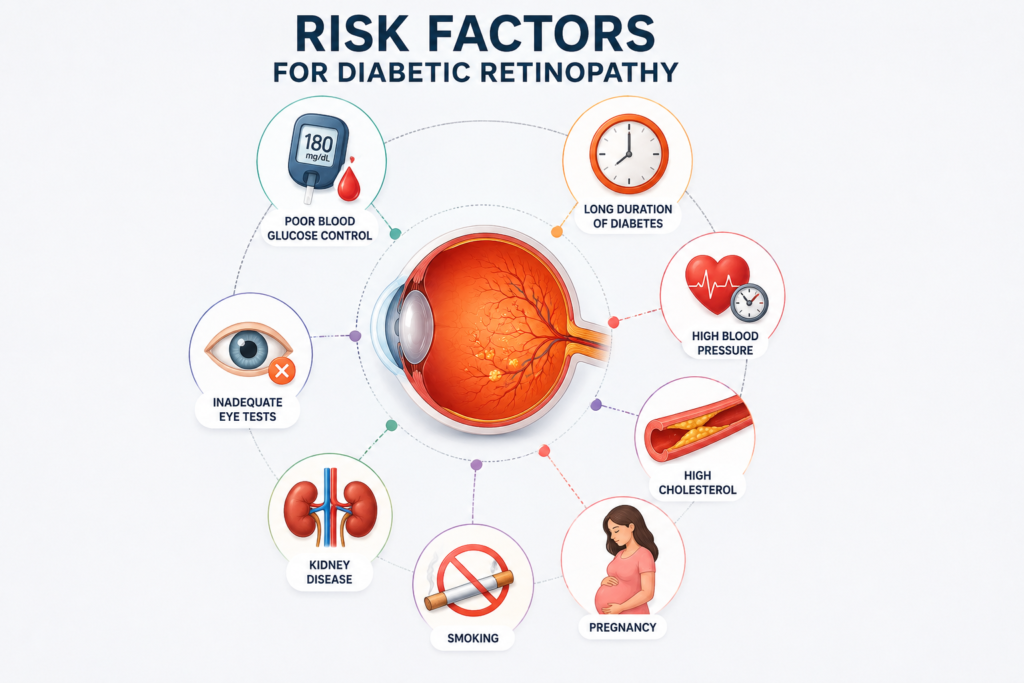
- Duration of Diabetes: Someone is to suffer from diabetic retinopathy. The reason is that long durations of diabetes mean long periods of high blood glucose levels, which adversely affect the retinal blood vessels.
- Poor Blood Glucose Levels Management: High blood glucose levels are another risk factor for developing diabetic retinopathy. Therefore, the more a patient manages their blood glucose levels, the better.
- Hypertension: High blood pressure can put pressure on the retinal blood vessels, causing leakage and swelling, which affects vision.
- High Levels of Cholesterol: This risk factor affects diabetic retinopathy similarly to hypertension by causing blood vessel leaks in the retina.
- Pregnancy: Diabetic retinopathy is likely to worsen during pregnancy as a result of hormonal and circulation changes within a woman’s body.
- Smoking: Smoking may affect the circulatory system negatively and increase harm to blood vessels in the body, even those in the retina, thus increasing the chance of developing diabetic eye diseases.
- Kidney Diseases: Diabetic kidney diseases may be linked with increased chances of developing diabetic retinopathy because both conditions involve damage to small blood vessels.
- Inadequate Eye Tests: Most patients suffering from diabetic retinopathy may not show any signs of the condition at first. Inadequate tests for the eyes can worsen the condition due to delayed diagnoses and treatments.
Even though these factors can contribute to the development of diabetic retinopathy, patients can lower their risks with consistent screening, healthy practices, and proper management of diabetes.
Diabetic Retinopathy Treatment in Dubai- Everything You Should Know
Diabetic Retinopathy treatment in Dubai offers good results, thus ensuring proper management of the condition and maintaining eyesight in patients. Having access to cutting-edge technologies in diagnosis, experienced retina surgeons and individually developed treatment regimens allows providing the most appropriate treatment depending on the stage and severity of the disease. Timely medical assistance is extremely important for preventing complications associated with Diabetic Retinopathy and vision impairment. Depending on the extent of damage to the retina, the following treatments may be prescribed: laser photocoagulation, anti-VEGF injections, steroid injections, vitrectomy, and others. A Few of these treatment options have been discussed below:
Laser Photocoagulation: Laser photocoagulation therapy seals leaking blood vessels and reduces retinal swelling. It may also be able to prevent further growth of abnormal blood vessels in the case of proliferative diabetic retinopathy. This treatment modality is fast, minimally invasive, and helps slow down the progression of the disease.
Anti-VEGF Injections: Anti-VEGF injections assist in reducing retinal swelling and preventing the formation of any abnormal blood vessels. These injections are usually recommended for treating diabetic macular edema and proliferative diabetic retinopathy. However, several injections may need to be administered for effective treatment.
Steroid Injections: Steroids are used to minimise inflammation and excess fluid accumulation in the retina. This procedure is recommended when patients suffer from persistent retinal swelling. Steroids may help some individuals see more clearly.
Vitrectomy Surgery: This is a surgical process that is considered only in advanced cases where there is excessive blood leakage, scar tissue formation, or retinal detachment. This process removes blood and scar tissue from the eyes.
Why Patients Choose Vasan Eye For Diabetic Retinopathy Treatment in Dubai?
With the best ophthalmologists in Dubai and excellent infrastructure, Vasan Eye Dubai has proven to be a continued space for successful eye procedures for global patients. It offers:
- Advanced medical technology and equipments
- Highly specialised and renowned ophthalmologists
- Holistic and patient-centric treatment strategy
- Post-treatment follow-ups
Reach Out for Expert Care
Frequently Asked Questions (FAQs) – Diabetic Retinopathy Treatment in Dubai
1. Is diabetic retinopathy treatment in Dubai painful?
Most cases of diabetic retinopathy treatment are non-invasive procedures and thus cause no or minimal discomfort to patients. For instance, during an anti-VEGF injection, the doctor applies anaesthetics before injecting to ensure there is no pain. Similarly, during laser treatment, patients may experience minor discomfort that could resemble stinging.
2. What is the average diabetic retinopathy treatment cost in Dubai?
The cost of diabetic retinopathy treatments varies from case to case, depending on factors such as the seriousness of the illness, the type of treatment required, the number of sessions to be conducted, and even the doctor handling the case. An eye examination and a discussion with a retina specialist help identify the best treatment and cost. However, the diabetic retinopathy treatment cost in Dubai typically starts from AED 3,700 ($1,000 ).
3. Can diabetic retinopathy be cured completely?
Diabetic retinopathy cannot be entirely cured, particularly if it is at a later stage. However, early detection and timely interventions can help stop the progression of the ailment as well as keep the eyes safe from further complications. Keeping healthy blood sugar levels and undergoing regular eye examinations also helps a lot.
4. What are the early signs of diabetic retinopathy?
During the early stages of diabetic retinopathy, you may not experience any symptoms. During the progression of diabetic retinopathy, you may suffer from vision blur, floaters, dark spots, fluctuation of vision, difficulty seeing at night, and loss of colour vision. Since there are usually no symptoms, a diabetic eye screening is always advisable.
5. How is diabetic retinopathy diagnosed?
During the early stages of diabetic retinopathy, you may not experience any symptoms. During the progression of diabetic retinopathy, you may suffer from vision blur, floaters, dark spots, fluctuation of vision, difficulty seeing at night, and loss of colour vision. Since there are usually no symptoms, a diabetic eye screening is always advisable.
6. When should I consult a retina specialist in Dubai?
One needs to seek out help from a retina specialist in Dubai if one experiences any changes in vision due to the presence of diabetes. Some of these changes include vision blurriness, floaters, dark spots, or the inability to see clearly. However, it is also recommended that diabetics undergo retinal exams to detect early cases of diabetic retinopathy.

Vasan Eye & Multispeciality DSC's Medical Content Team
Vasan Eye & Multispeciality DSC’s medical content team specialises in creating accurate, clear, and patient-focused healthcare content. With strong clinical understanding and expertise in technical writing and SEO, the team translates complex medical information into reliable, accessible resources that support informed decisions and uphold Vasan Eye & Multispeciality DSC’s commitment to quality care.