

Squint Surgery In Dubai
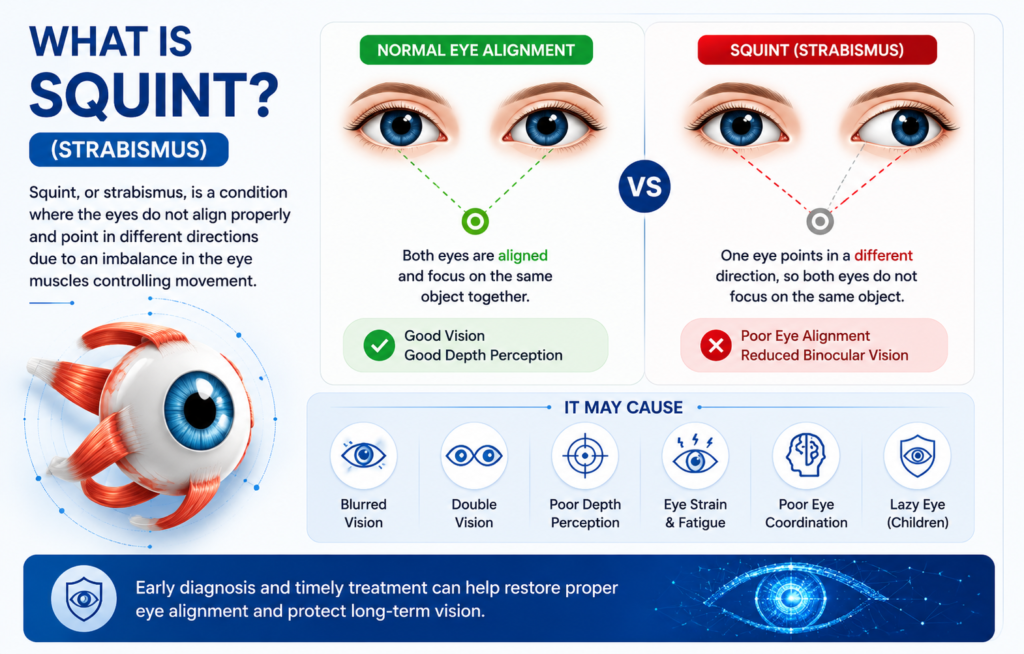
Squint, also known as strabismus, is a condition in which the eyes do not align properly and may point in different directions. It can affect people of all ages and may lead to vision problems, reduced depth perception, eye strain, or concerns about appearance. When non-surgical treatments are not sufficient, surgery may be recommended to improve eye alignment and support better visual function.
At Vasan Eye Hospital Dubai, our specialists provide comprehensive assessment and individualized treatment plans for patients with squint. Using advanced diagnostic tools and established surgical techniques, we aim to achieve optimal eye alignment while enhancing both visual outcomes and confidence. Early evaluation and timely treatment can play an important role in preserving binocular vision and improving quality of life.

What is Squint Surgery?
Everything you need to know
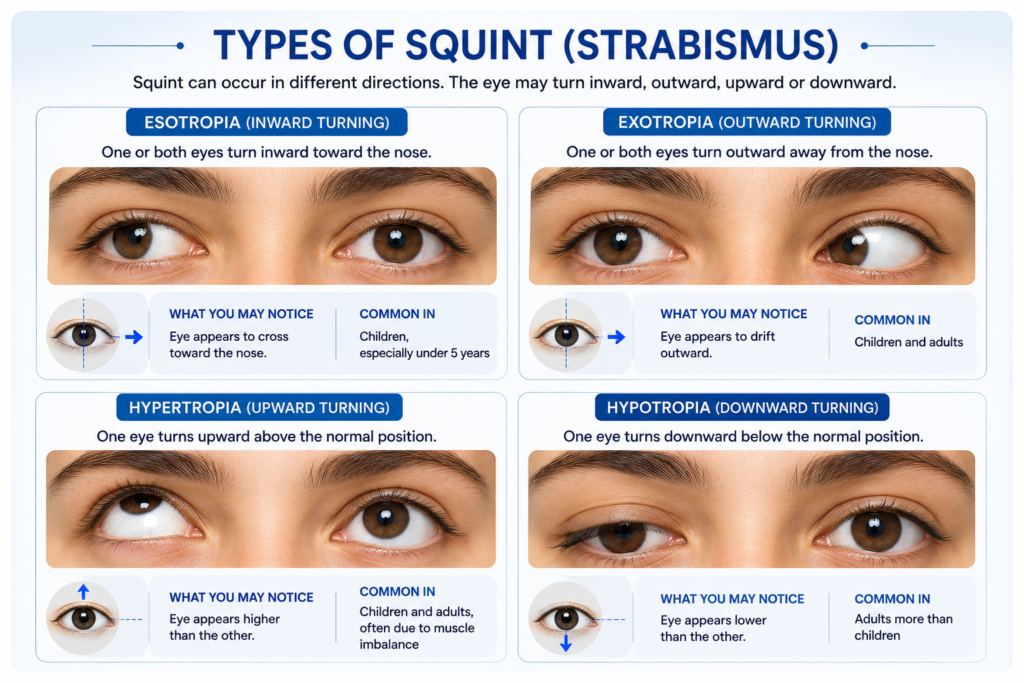
Squint surgery, also known as strabismus surgery, is a procedure performed to correct the alignment of the eyes by adjusting the eye muscles responsible for eye movement. When the eyes are not properly aligned, they may turn inward, outward, upward, or downward, affecting vision, depth perception, and appearance.
Strabismus, commonly known as squint, is an eye condition in which the eyes are not properly aligned and point in different directions. It can affect both children and adults, impacting vision, depth perception, eye coordination, and overall quality of life. If left untreated, strabismus may lead to complications such as amblyopia (lazy eye), reduced binocular vision, double vision, abnormal head posture, and social or psychological concerns. Early diagnosis and timely treatment are essential to preserve visual function and achieve optimal eye alignment. With advances in diagnostic technology and surgical techniques, modern strabismus management offers effective solutions tailored to each patient's specific condition and visual needs.
Need for Surgical Correction
The main goal of the squint surgery is to improve the alignment of the eyes by adjusting the muscles responsible for eye movement.Proper eye alignment helps both eyes work together more effectively, enhancing binocular vision, depth perception and overall visual function. In addition to functional benefits, surgery can improve the appearance of the eyes.
Meet Our Specialist
Vasan Eye Dubai

Dr. Umesh Patinjarekandy
Specialist Ophthalmologist | Phaco & Refractive Surgeon
MBBS, MS Ophthalmology
location_on Vasan Eye & Multispeciality Day Surgical Center, Dubai
schedule 30+ Years of Experience
medical_services 25000+ Surgeries Performed

Dr. Tahere Rezaei
Specialist Ophthalmologist | Cataract & Refractive Surgeon
MBBS, MD Ophthalmology
location_on Vasan Eye & Multispeciality Day Surgical Center, Dubai
schedule 11+ Years of Experience
medical_services 10000+ Surgeries Performed

Dr. Lakshmi K. Vijayaraghavan
Specialist Ophthalmologist | Medical Retina Specialist
MBBS, MS (Ophthalmology), Fellowship in Medical Retina & ROP
location_on Vasan Eye & Multispeciality Day Surgical Center, Dubai
schedule 7+ Years of Experience
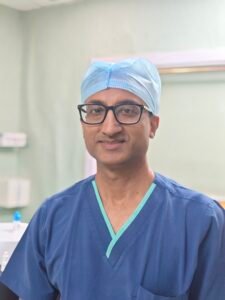
Dr. Nikhil Pal
Specialist Ophthalmologist | Retina & Uvea Specialist
MBBS, MD Ophthalmology (AIIMS, New Delhi, India), Vitreoretina Fellow (Univ Of Wisconsin, Madison, USA)
location_on Vasan Eye & Multispeciality Day Surgical Center, Dubai
schedule 25+ Years of Experience
medical_services 20000+ Surgeries Performed
How Eye Muscles Influence Eye Alignment?
Understand the factors
Each eye is controlled by six extraocular muscles that work together to direct eye movements. When these muscles are balanced, both eyes move in coordination and focus on the same object. However, if one or more muscles are too strong, too weak, or do not work together properly, the eyes can become misaligned, resulting in a squint. Squint surgery corrects this imbalance by repositioning or adjusting specific eye muscles to achieve better alignment.
When Surgery Becomes Necessary?
Surgery may be recommended when non-surgical treatments such as glasses, prism lenses, vision therapy, or patching do not adequately correct the eye misalignment. It is often considered for patients with persistent or significant squint, double vision, abnormal head posture, poor binocular vision, or cosmetic concerns caused by eye misalignment. The decision to proceed with surgery is based on a comprehensive eye examination and the individual's specific visual needs and treatment goals.
Who May Need Squint Surgery?
When Squint Eye Surgery May Be Recommended
Squint surgery may be recommended for children or adults with persistent eye misalignment that affects vision, eye coordination, or appearance. It is often considered when glasses, eye exercises, or other treatments do not provide adequate correction.
Children with:
- Persistent eye misalignment
- Congenital squint
- Poor binocular vision
- Squint not corrected with glasses
Adults with:
- Long-standing squint
- Double vision
- Eye muscle weakness
- Squint caused by trauma or neurological conditions
Benefits of Squint Surgery
- Improved eye alignment
- Better binocular vision
- Enhanced depth perception
- Reduction in double vision
- Improved appearance and confidence
- Better eye coordination
Pre-Surgical Evaluation for Squint Surgery
Make Informed Decisions
A thorough pre-surgical evaluation is essential to determine the type and severity of strabismus, assess visual function, and develop a personalized surgical plan. The examination helps the ophthalmologist identify the underlying cause of the eye misalignment and determine the most appropriate treatment approach.
Comprehensive Eye Examination
A detailed eye examination is performed to evaluate overall eye health, visual acuity, and the presence of any associated conditions such as amblyopia (lazy eye) or refractive errors.
Eye Alignment Assessment
Specialized tests are used to measure the degree and direction of eye misalignment. Accurate measurements help determine which eye muscles require adjustment during surgery.
Ocular Motility Evaluation
The movement of each eye is assessed to understand how the eye muscles function individually and together. This evaluation helps identify muscle weakness, overaction, or movement restrictions.
Binocular Vision and Depth Perception Testing
The ophthalmologist evaluates how well the eyes work together as a team and assesses depth perception, which may be affected by long-standing strabismus.
Refraction Assessment
A refraction test is performed to identify nearsightedness, farsightedness, astigmatism, or other refractive errors that may contribute to the squint.
Medical and Surgical History Review
The surgeon reviews the patient's medical history, previous eye treatments, current medications, and any underlying health conditions to ensure safe surgical planning.
Surgical Planning and Patient Counselling
Based on the findings, the ophthalmologist discusses the expected outcomes, potential risks, recovery process, and post-operative care requirements. Patients and caregivers are given an opportunity to ask questions and understand the treatment plan before proceeding with surgery.
Squint Surgery Procedure
What to expect during the processs
Squint surgery, also known as strabismus surgery, is performed to correct the alignment of the eyes by adjusting the extraocular muscles that control eye movement. The procedure is carefully planned based on the type and severity of the squint and is typically performed as a day-care surgery.
The procedure is usually performed under general anaesthesia in children to ensure comfort and safety. Adults may receive either general anaesthesia or local anaesthesia with sedation, depending on the complexity of the surgery and the surgeon's recommendation.
A small incision is made in the conjunctiva, the thin transparent membrane covering the white part of the eye. Since the surgery is performed on the eye muscles beneath this tissue, no external skin incisions or visible facial scars are created. The surgeon carefully identifies the eye muscles responsible for the misalignment.
Depending on the type of squint, one or more muscles may require adjustment to restore proper eye positioning:
- Muscle Recession: If a muscle is pulling the eye too strongly, it may be detached and reattached further back on the eye. This weakens the muscle's action and helps improve alignment.
- Muscle Resection: If a muscle is too weak, a small portion of the muscle may be removed before it is reattached. This shortens and strengthens the muscle, allowing it to pull the eye more effectively into the correct position.
- Adjustable Sutures (Selected Cases): In some adult patients, adjustable sutures may be used to fine-tune eye alignment after surgery, helping achieve more precise results.
- Once the necessary muscle adjustments have been completed, the conjunctiva is closed using fine dissolvable sutures. These stitches usually dissolve naturally during the healing process and do not require removal.
After surgery, the patient is monitored in the recovery area until the effects of anaesthesia wear off. Most patients are discharged on the same day with detailed post-operative instructions and prescribed eye medications.
Duration of the Procedure
Squint surgery generally takes between 30 and 90 minutes, depending on the number of eye muscles being treated and the complexity of the condition.
Expected Outcome
The goal of surgery is to improve eye alignment, enhance binocular vision, reduce double vision where present, and provide a more natural appearance. Some patients may require additional treatments or follow-up procedures to achieve optimal long-term results.
Why Choose Vasan Eye Dubai for Squint Surgery in Dubai?
Advanced Treatment with Personalized Care.
- Experienced Squint Specialists: Expertise in diagnosing and treating strabismus in both children and adults.
- Advanced Diagnostic Technology: Comprehensive eye alignment and binocular vision assessments for precise treatment planning.
- Modern Surgical Techniques: Advanced procedures focused on achieving optimal eye alignment and visual outcomes.
- Personalized Care: Customized treatment plans tailored to each patient's condition and goals.
- Comprehensive Eye Care: End-to-end support from diagnosis and surgery to post-operative follow-up.
- Patient-Centered Approach: Compassionate care focused on safety, comfort, and long-term results.
A well-aligned vision can improve both visual function and confidence. If you or your child is experiencing a squint, the experienced specialists at Vasan Eye & Multispeciality Dubai can help with comprehensive evaluation and advanced surgical treatment options.
Frequently Asked Questions
Squint Surgery in Dubai
What is squint surgery? expand_more
Squint surgery, also known as strabismus surgery, is a procedure that adjusts the eye muscles to improve eye alignment and help the eyes work together more effectively.
Who is a candidate for squint surgery? expand_more
Squint surgery may be recommended for children and adults with persistent eye misalignment that cannot be adequately corrected with glasses, vision therapy, or other non-surgical treatments.
Is squint surgery painful? expand_more
The procedure is performed under anaesthesia, so patients do not feel pain during surgery. Mild discomfort, redness, or irritation may occur during recovery and usually improves within a few days.
How long does squint surgery take? expand_more
The squint surgery procedure typically takes between 30 and 90 minutes, depending on the complexity of the condition and the number of eye muscles being treated.
Is squint surgery a day-care procedure? expand_more
Yes, in most cases, squint surgeries are performed as day-care procedures, allowing patients to return home on the same day.
How long is the recovery period? expand_more
Most patients can resume normal daily activities within a few days, although complete healing and stabilization of eye alignment may take several weeks.
Can adults undergo squint surgery? expand_more
Yes. Squint surgery can be highly effective for adults, helping improve eye alignment, reduce double vision, and enhance appearance and confidence.
Will squint surgery permanently correct the condition? expand_more
Many patients achieve long-term improvement in eye alignment after surgery. However, some cases may require additional treatment or future adjustments depending on the underlying condition.
Are there visible scars after squint surgery? expand_more
No. The procedure is performed through the conjunctiva (the membrane covering the eye), so there are no visible external scars.
Is squint surgery covered by insurance in Dubai? expand_more
Insurance coverage varies depending on the policy and medical indication. Our team can help verify your coverage and discuss available options for your condition.