

LASIK Surgery in Dubai
LASIK Surgery in Dubai is a safe, advanced, and highly effective vision correction procedure designed to reduce or eliminate dependence on glasses and contact lenses. By reshaping the cornea using precise laser technology, LASIK can correct common refractive errors such as myopia (nearsightedness), hyperopia (farsightedness), and astigmatism, helping patients achieve clearer, sharper vision.
At Vasan Eye Hospital Dubai, we offer advanced LASIK surgery with comprehensive pre-operative evaluations and personalized treatment planning to deliver optimal visual outcomes. Our experienced ophthalmologists carefully assess your eye health, corneal thickness, and vision requirements to determine the most suitable LASIK treatment for your individual needs. The benefits of LASIK surgery include reducing or completely eliminating the need for glasses and contact lenses, allowing greater freedom in daily life. The procedure is quick, typically completed within minutes, and involves minimal discomfort with a fast recovery period. LASIK can significantly improve visual clarity, making everyday activities such as driving, working, reading, and participating in sports more convenient and enjoyable. For suitable candidates, it provides long-lasting vision correction, helping achieve clear vision and an enhanced quality of life.
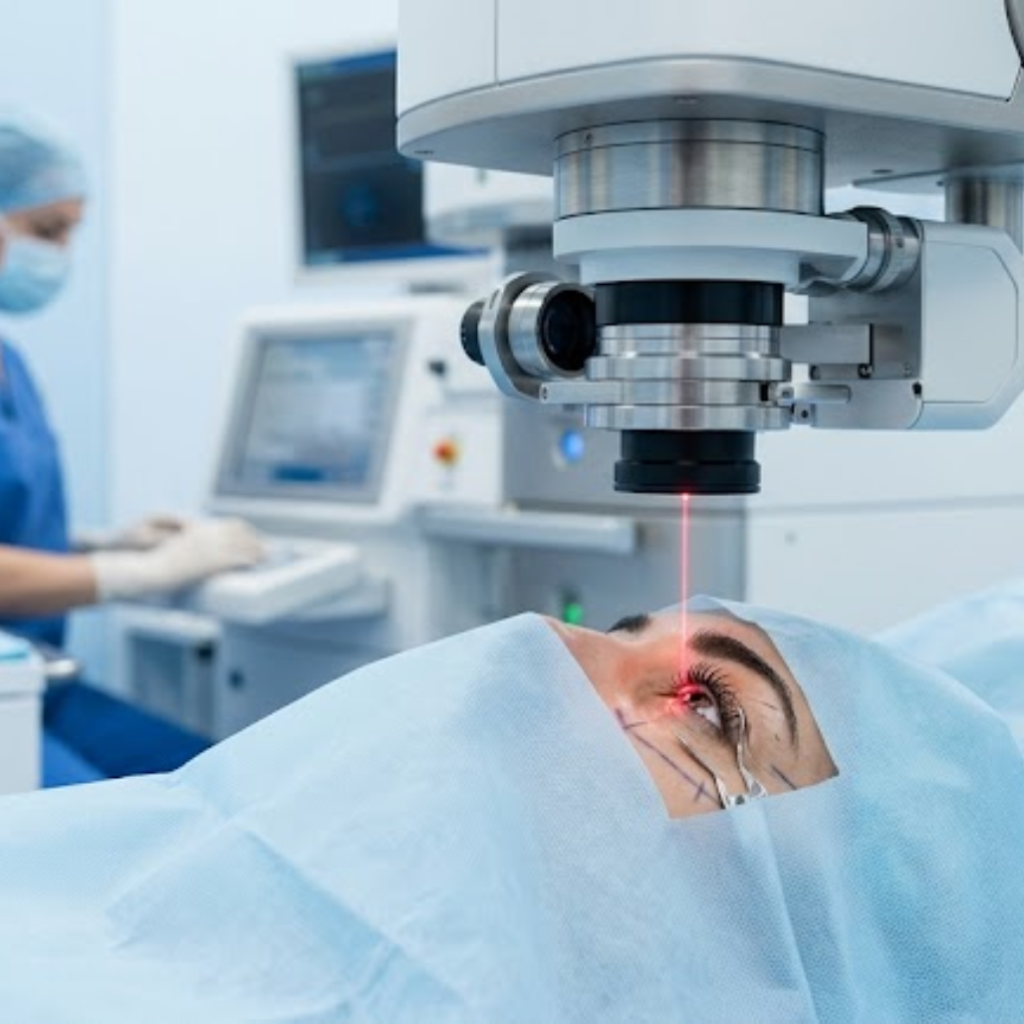
Understanding LASIK
Minimally invasive, patient-focused surgical care
What Is LASIK Surgery?
LASIK surgery in Dubai has transformed the lives of millions by providing a safe, effective, and long-lasting solution for vision correction. At Vasan Eye Hospital Dubai, we offer advanced LASIK eye treatments using state-of-the-art laser technology and personalized care to help patients achieve clear vision with reduced dependence on glasses and contact lenses.
LASIK surgery (Laser-Assisted In Situ Keratomileusis) is a highly advanced laser vision correction procedure that reshapes the cornea to improve the way light focuses on the retina. This allows patients to achieve sharper, clearer vision without relying heavily on corrective eyewear. LASIK surgery can effectively treat:
- Nearsightedness (Myopia)
- Farsightedness (Hyperopia)
- Astigmatism
As one of the most commonly performed refractive procedures worldwide, LASIK surgery offers fast recovery, excellent visual outcomes, and long-term benefits for eligible patients.
Am I a Candidate for LASIK Surgery?
You may be a suitable candidate for LASIK surgery in Dubai if you:
- Are at least 18 years old
- Have a stable vision prescription
- Have healthy corneas
- Have no significant eye diseases
- Are not pregnant or breastfeeding
- Have realistic expectations about results
A detailed eye examination is necessary to determine your suitability for treatment.
Meet Our Specialist
Vasan Eye Dubai

Dr. Umesh Patinjarekandy
Specialist Ophthalmologist | Phaco & Refractive Surgeon
MBBS, MS Ophthalmology
location_on Vasan Eye & Multispeciality Day Surgical Center, Dubai
schedule 30+ Years of Experience
medical_services 25000+ Surgeries Performed
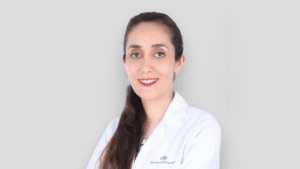
Dr. Tahere Rezaei
Specialist Ophthalmologist | Cataract & Refractive Surgeon
MBBS, MD Ophthalmology
location_on Vasan Eye & Multispeciality Day Surgical Center, Dubai
schedule 11+ Years of Experience
medical_services 10000+ Surgeries Performed

Dr. Lakshmi K. Vijayaraghavan
Specialist Ophthalmologist | Medical Retina Specialist
MBBS, MS (Ophthalmology), Fellowship in Medical Retina & ROP
location_on Vasan Eye & Multispeciality Day Surgical Center, Dubai
schedule 7+ Years of Experience
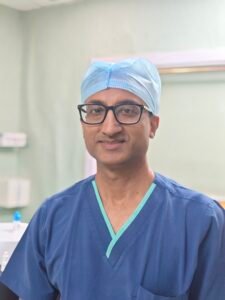
Dr. Nikhil Pal
Specialist Ophthalmologist | Retina & Uvea Specialist
MBBS, MD Ophthalmology (AIIMS, New Delhi, India), Vitreoretina Fellow (Univ Of Wisconsin, Madison, USA)
location_on Vasan Eye & Multispeciality Day Surgical Center, Dubai
schedule 25+ Years of Experience
medical_services 20000+ Surgeries Performed
LASIK Surgery Procedure
Advanced Technology. Patient-focused Surgical Care
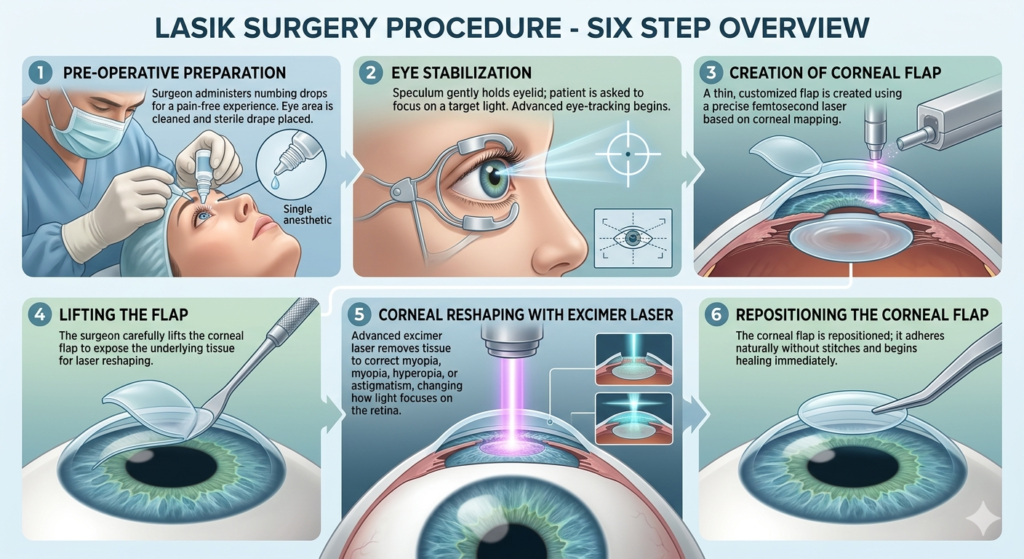
LASIK (Laser-Assisted In Situ Keratomileusis) is a highly advanced laser vision correction procedure designed to reduce or eliminate dependence on glasses and contact lenses. The surgery is performed on an outpatient basis and typically takes only 10–15 minutes per eye, with the laser treatment itself lasting just a few seconds.
Step 1: Pre-Operative Preparation
- Before the procedure begins, the surgeon performs a final assessment of the eyes and reviews the customized treatment plan.
- Anesthetic eye drops are administered to numb the eyes and ensure a comfortable, pain-free experience throughout the surgery.
- The area around the eyes is cleaned, and a sterile drape may be placed to maintain a safe surgical environment.
Step 2: Eye Stabilization
- A specialized eyelid holder is gently positioned to keep the eye open and prevent blinking during the procedure.
- The patient is asked to focus on a target light while the surgeon carefully aligns the laser system.
- Advanced eye-tracking technology continuously monitors eye movements to ensure precise treatment.
Step 3: Creation of the Corneal Flap
- A thin, precise corneal flap is created using either a femtosecond laser or another approved surgical technique, depending on the patient’s eye condition and treatment requirements.
- This flap is carefully designed based on detailed corneal mapping and measurements obtained during the pre-operative evaluation.
Step 4: Lifting the Flap
- Once the flap is created, it is gently lifted to expose the underlying corneal tissue.
- This allows the surgeon to access the area that will be reshaped by the laser without affecting the outer surface of the cornea.
Step 5: Corneal Reshaping with Excimer Laser
- Advanced excimer laser is then used to precisely reshape the cornea. The laser removes microscopic amounts of corneal tissue according to the patient’s unique prescription, correcting Myopia (nearsightedness), Hyperopia (farsightedness) and Astigmatism.
- This reshaping changes how light enters the eye, allowing it to focus correctly on the retina and resulting in clearer vision.
Step 6: Repositioning the Corneal Flap
- After the laser treatment is completed, the corneal flap is carefully repositioned to its original position.
- The flap naturally adheres to the eye without the need for stitches and begins healing almost immediately.
Step 7: Immediate Post-Procedure Assessment
- The surgeon examines the eye to ensure the flap is properly positioned and that the treatment has been successfully completed.
- Protective eye shields may be provided to prevent accidental rubbing during the initial healing period.
Expected Results
LASIK surgery provides long-lasting vision correction for suitable candidates, with many patients achieving 20/20 vision or better. While individual results may vary, the procedure offers a high success rate, rapid recovery, and a significant reduction in dependence on glasses or contact lenses.
Recovery and Post-Operative Care
Following LASIK surgery, most patients experience a smooth and rapid recovery. To support healing and achieve the best possible visual outcomes, it is important to follow all post-operative care instructions provided by your ophthalmologist.
What to Expect After LASIK Surgery
- Mild dryness, light sensitivity, or temporary blurred vision may occur during the first few days.
- Vision typically improves significantly within 24 to 48 hours after the procedure.
- Most patients can return to work and normal daily activities within a short period.
Post-Operative Eye Care
- Use prescribed lubricating eye drops to keep the eyes comfortable and prevent dryness.
- Antibiotic eye drops may be recommended to reduce the risk of infection.
- Anti-inflammatory eye drops help minimize inflammation and support healing.
- Avoid rubbing your eyes during the recovery period.
Follow-Up Appointments
- Regular follow-up visits are scheduled to monitor healing progress.
- Your surgeon will assess visual improvement and overall eye health.
- These appointments help ensure optimal results after LASIK surgery.
LASIK Enhancement Procedures
- In some cases, a LASIK enhancement may be recommended to further refine vision.
- Enhancements are typically considered when a minor residual refractive error remains after the initial procedure.
- The need for enhancement depends on factors such as prescription strength, age, and individual healing response.
Long-Term Results
- LASIK provides long-lasting vision correction for most patients.
- Maintaining routine eye examinations helps protect your eye health and visual quality over time.
Who Is Not a Suitable Candidate for LASIK Surgery?
While LASIK eye surgery is a safe and effective vision correction procedure for many patients, it may not be suitable for everyone. A comprehensive eye examination is essential to determine whether LASIK is the right option for you.
When LASIK Surgery Is Not Recommended
LASIK surgery may not be recommended for patients with the following conditions:
- Unstable Vision Prescription: Patients whose vision prescription has changed significantly within the past year may not be suitable candidates for LASIK. Stable vision is important to ensure long-lasting treatment results.
- Keratoconus: Keratoconus is a condition that causes the cornea to become thin and cone-shaped. Patients with keratoconus or suspected corneal weakening are generally not eligible for LASIK due to an increased risk of corneal complications.
- Thin Corneas:Adequate corneal thickness is required for safe laser vision correction. Patients with very thin corneas may be advised to consider alternative vision correction procedures.
- Uncontrolled Medical Conditions :Certain autoimmune diseases and uncontrolled systemic conditions, such as uncontrolled diabetes, may affect healing and increase the risk of complications following LASIK surgery.
- LASIK should not be performed in the presence of active eye infections or significant inflammation. Conditions such as keratitis or severe blepharitis must be treated before surgery.
Factors That Can Affect LASIK Surgery Eligibility
Some patients may still be eligible for LASIK but require additional evaluation and careful consideration.
-
Age Considerations: LASIK is typically recommended for adults with a stable vision prescription. Younger patients whose eyesight is still changing may need to postpone treatment.
-
History of Ocular Herpes: Patients with a history of herpes simplex eye infections may be candidates for LASIK if the condition has remained inactive for an extended period.
-
Cataracts: Patients with cataracts may benefit more from cataract surgery rather than LASIK, depending on the severity of lens changes.
-
Glaucoma: Individuals with glaucoma require a detailed assessment before LASIK surgery to determine whether the procedure is appropriate for their eye health.
-
Corneal Dystrophies: Certain inherited corneal disorders may affect healing and visual outcomes after LASIK. A specialist evaluation is necessary to assess suitability.
-
Large Pupil Size: Patients with larger pupils may have a slightly increased risk of experiencing glare, halos, or night vision disturbances, although modern laser technology has significantly reduced these concerns.
Why Choose Vasan Eye for LASIK Surgery in Dubai?
Eye Hospital with More Than a Decade of Legacy
Patients seeking a trusted laser eye care center Dubai choose Vasan Eye Hospital for:
- Experienced refractive surgeons
- Advanced diagnostic technology
- Modern laser platforms
- Customized treatment plans
- Comprehensive patient education
- Dedicated post-operative support
Our commitment to clinical excellence has helped establish our reputation as a leading destination for laser vision correction in the UAE.
Patient Success Stories
Explore patient journeys, treatment experiences, and successful vision outcomes from our trusted eye care specialists.
Rajendran Kishorekumar
UAE

I recently visited Vasan Eye Care Hospital in Dubai for my first consultation regarding LASIK eye surgery, and I couldn’t be more impressed with the experience. From the moment I walked in, the staff was welcoming, professional, and attentive. The consultation itself was thorough and informative. The optometrists and doctors took the time to explain every step of the LASIK procedure, conducted a series of detailed eye tests, and patiently answered all my questions. I appreciated how transparent they were about eligibility, risks, and expected outcomes.Overall, it was an excellent first step toward clearer vision, and I highly recommend Vasan Eye Care Hospital to anyone considering LASIK in Dubai.
Sangeeth S
UAE
I am very much Happy to share this here and express my gratitude and Thank you, We have gotten my wife LASIK treatment and my son Dental Care for Rampant cavis. The procedure, surgery and treatment was hassle free experience and went smoothly. she was stressed before the surgery but thanks to Dr. Umesh’s sir and Dr. Jegadeesan sir, ultimate kindness and gentle manner of treating the patient, it helped her calm down. Instructions to do and not to do after the surgery and treatment was explained clearly and we had assistance from the clinic anytime we needed. My son and wife both are happy. Once again Thank you to all the staffs, Nurse Receptionist and Members of Vasan eye care team.
Dilshad Fathima
UAE
I had a great experience at Vasan Eye Care Centre for my daughter's Lazik eye surgery. The doctor and staff were very professional, caring, and supportive. Very understanding and cooperative pharmacists too. Truly grateful for the excellent care.
Book Your LASIK Assessment
At Vasan Eye, Dubai
If you are considering LASIK surgery in Dubai, our experienced specialists can help determine the most suitable vision correction solution for your needs. From advanced diagnostics to personalized treatment planning, Vasan Eye Hospital Dubai is committed to helping you achieve clearer, sharper vision through modern LASIK eye surgery Dubai treatments.
Schedule your consultation today and take the first step toward visual freedom with advanced laser vision correction.
Frequently Asked Questions
LASIK Surgery in Dubai
How long does LASIK eye surgery take? expand_more
The LASIK procedure typically takes 15–30 minutes for both eyes, with the laser treatment itself lasting only a few minutes.
What is the laser eye surgery cost in Dubai? expand_more
The laser eye surgery cost in Dubai varies based on the type of procedure and individual patient requirements. A detailed consultation provides the most accurate estimate.
What technology is used for LASIK at Vasan Eye Hospital Dubai? expand_more
Vasan Eye Hospital Dubai follows established LASIK treatment protocols and uses advanced diagnostic tools to evaluate eye health, corneal thickness, and vision requirements before surgery. The procedure is customized to each patient's needs to ensure safe and effective vision correction outcomes.
Is LASIK surgery safe in Dubai? expand_more
Yes. Dubai follows stringent healthcare regulations, and LASIK surgery is performed using advanced laser technology by qualified ophthalmologists. At Vasan Eye Hospital Dubai, every patient undergoes a comprehensive eye examination to determine suitability for the procedure and ensure optimal safety and outcomes.
How soon can I see clearly after LASIK? expand_more
Many patients experience improved vision within a few hours, with significant improvement occurring within the first 24 hours.